
非常静距离
Is the rapid growth of China’s emerging industries driven by industrial subsidies?: People’s Daily_我的网站

一 | HAPPY NEW YEAR 庆元旦 迎新年 —— 辞旧迎新 灵蛇送福 —— 时光匆匆,光阴似箭 转眼间,我们已站到了2024年的尾声 即将开启新的篇章 新年新气象 咱们的元旦推文 也要来点不一样的形式 这不,三儿给大家准备了 多款SVG样式 让你的推文能够与众不同 话不多说 赶紧来看看吧 1.元旦海报 – HAPPY NEW YEAR – · SVG效果为横向叠层+横向移出轮播 组件ID:773 更多元旦海报尽在笔格设计 · 2.元旦SVG样式 – HAPPY NEW YEAR – 01 新年刮刮乐玩法 SVG样式ID:153680 02 抽新年盲盒玩法 SVG样式ID:153679 03 敲响新年钟声玩法 SVG样式ID:153639 04 幸运转盘玩法 SVG样式ID:153640 05 砸金蛋玩法 SVG样式ID:153641 3.SVG样式在哪里 – HAPPY NEW YEAR – 首先在编辑器界面左侧选择【样式】——【SVG】,搜索【元旦】关键词,即可查看。 将鼠标轻放在样式上,会出现浏览的二维码,用手机微信扫码,即可直观感受此款SVG玩法。 4.SVG样式怎样使用 – HAPPY NEW YEAR – 点击你需要的SVG样式后放入编辑页面,选中之后在样式面板会出现【SVG/动画】,点击之后即可进入编辑界面。 在编辑界面,我们可以修改SVG样式的文案以及图片中的元素,选择【编辑样式原图】即可进行编辑。
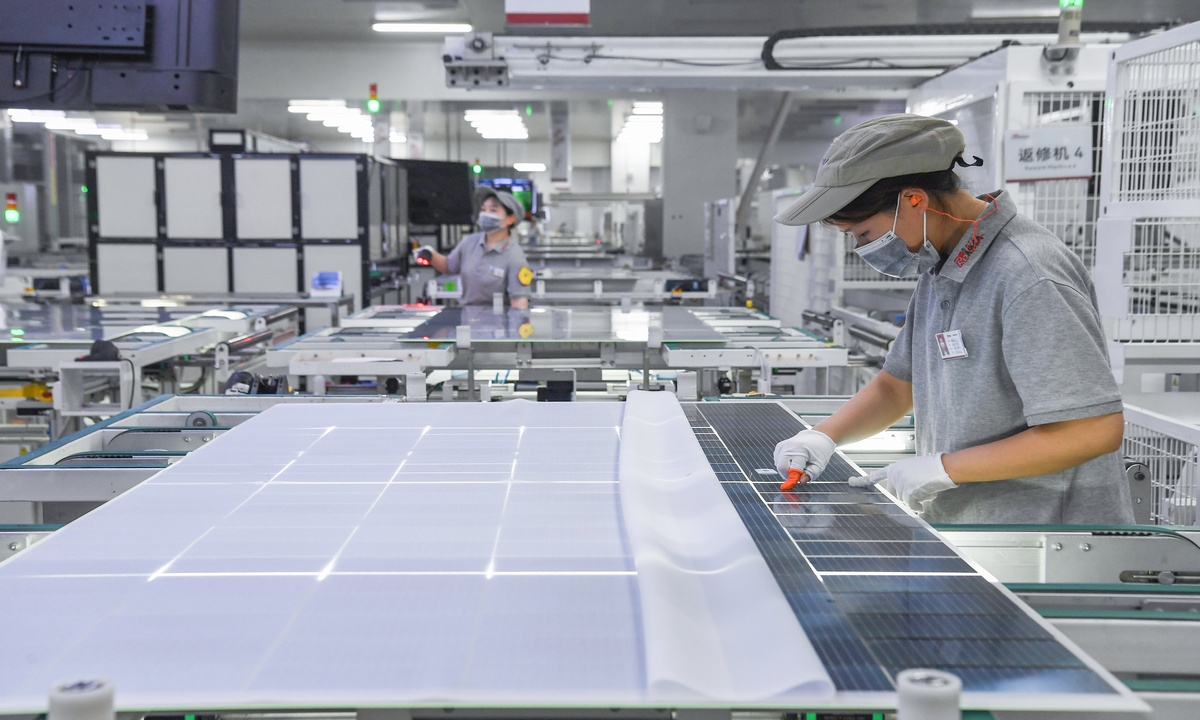
China saw robust exports in electric vehicles (EV), lithium batteries and photovoltaic products, known as the "new three," in the first half of this year. More notably, robotics, artificial intelligence (AI) and innovative drugs, which represent the future direction of industrial development, are also emerging as new calling cards for China's foreign trade.
However, the impressive performance provoked unease among some Western media outlets and politicians. Some have deliberately portrayed China's rapid industrial development and strong competitiveness as a result of government subsidies, pushing the false claim that subsidies have created overcapacity and those low-priced Chinese products are flooding global markets. Such fallacies, which simply equate industrial subsidies with overcapacity, are not only logically flawed but also factually groundless.
In practice, many countries adopt industrial policies tailored to their national conditions and development needs, such as providing research and development (R&D) subsidies for emerging industries and risk related subsidies for agriculture.
Well-designed industrial subsidies can help address market failures, promote technological innovation and environmental protection, reduce poverty and support balanced development, rather than cause so called "overcapacity."
Multiple reports by the United Nations Conference on Trade and Development have noted that the number of industrial policies worldwide has grown rapidly over the past five years, with R&D subsidies, tax incentives and low interest loans for emerging industries becoming common international practices.
Forcibly linking industrial subsidies to "overcapacity" is, in essence, a political manipulation based on double standards. The US, for example, plans to provide $750 billion in various subsidies from 2022 to 2031 under its Inflation Reduction Act. Subsidized EVs are subject to requirements such as production and sales in the US or North America, effectively excluding other WTO members. US industrial subsidies for AI are even greater than those of all other countries combined.
Similarly, according to incomplete statistics, the European Commission is expected to provide more than 1.44 trillion euros ($210 billion) in various subsidies between 2021 and 2030. The EU's Industrial Accelerator Act links local content directly to financial support through "Made in EU" requirements, creating serious investment barriers and institutional discrimination.
Have these massive subsidies been labeled as causing "overcapacity"? The answer is no. While claiming that China's industrial subsidies lead to so-called overcapacity, these countries are themselves providing massive subsidies to their own industries. Such double standards amount to selective accusations targeting China, aimed at politicizing trade and economic issues and weaponizing industrial policy.
At a deeper level, accusations that "China's industrial subsidies cause overcapacity" are merely a pretext, reflecting growing anxiety and fear over the rising competitiveness of Chinese industries.
Looking back at the repeated hype in Western media, the criticism has consistently targeted China's most globally competitive industries, including new-energy vehicles, photovoltaics and power batteries. This exposes the real intention of shifting the blame for their own lagging industrial development onto China while stepping up restrictions against Chinese industries.
China's breakthroughs in these industries have been driven by advances in homegrown technologies, complete industrial and supply chains, and robust market competition, rather than by policy subsidies as some have claimed.
In recent years, China has taken multiple steps to regulate and improve its subsidy policies, from reviewing and correcting inappropriate local subsidies to exploring a unified negative list mechanism for local fiscal subsidies. China applies subsidies equally to all market entities, including foreign invested enterprises, strictly follows WTO rules, and continues to improve the compliance, effectiveness and transparency of its subsidy policies.
Rather than fabricating and hyping baseless claims about subsidies and obsessing over building trade barriers, certain Western media outlets and politicians should focus on addressing their own weaknesses and increasing investment in research and development. They should embrace healthy market competition with an inclusive mindset, promote mutual benefit through greater openness, and win markets and drive progress through genuine innovation.
This was compiled and translated by the Global Times English edition based on an article published in the "Chisu Jinsheng" economic commentary column of the People's Daily on August 10, 2026.
。 以上就是本次三儿 分享的全部内容了 如果你还有什么想看想学的内容 欢迎在评论区留言 如果觉得还不错 记得点赞+在看哦 135年终盛会开启啦 登录官网 使用您的用户编号查询注册时长 即可领取与之相匹配的会员时长福利 并获得专属的年度数据报告 三儿的title是【文字守夜者】 好奇大家的title是什么呢 欢迎在评论区互动分享哦 等等别划走 现在下单购买会员 还有超多福利等着大家 个人会员升级最高送1年会员时长 企业会员最高送500京东卡+年终福利包 优惠不等人 大家快扫描下方二维码参与吧 又学“亿”招 END。
Current article:http://www.kelozhaichongbaoshuo.pics/nd425yx/20260826/552130.pptx
Published on:16:08:31
 温氏股份:上半年亏损43.66亿元,同比转亏
 老鹰不再考虑签回库明加 三支队伍成他主要去向
 欧媒:字母哥缺席世预赛 热火盼他提前回美备战
 机票价格进入下行通道,现在买还是再等等?四个决策节点帮你判断
 世界杯预选赛中国男篮不敌澳大利亚队
 甘肃“数据工场”让千行百业共享红利,甘肃“数据工场”让千行百业共享红利
- ·将消费叙事还给普通人,拼多多用了十年
- ·上海城本口腔如何破解儿童齿科与正畸用户选院难的核心痛点
- ·河南省水利厅:以法治刚性保障工程安全、供水安全与水质安全
- ·美国这一场山火!烧了拜登的底裤,消防员只保命,好莱坞受损严重
- ·冲刺四季度丨抚顺高新区:以实干之姿奋战主战场
- ·刘强东父亲火了!全村60岁以上老人在领红包,他在拆纸箱卖废品
- ·同比增长78% 深蓝汽车5月交付25521辆 深蓝S09累计大定21168台
- ·talksport:雷克瑟姆即将以200万镑,自曼城签下后卫伊萨・卡博雷
- ·沙特体育部长:没和萨拉赫进行任何谈判,90%的传闻都是假的
- ·利玛赫《强国智造·焊脉相承》8月26日首播 二十年精密焊接突围故事登陆央视老故事频道
- ·玉猪龙为啥这么“奇”——探寻红山文化出土的玉器
- ·凌晨,新疆哈密突发地震
- ·践行雷锋精神 “电”亮万家灯火
- ·习近平对哈萨克斯坦共和国进行国事访问
- ·Eight Tory Candidates in Race to Succeed Boris Johnson
- ·宏观政策发力提效
- ·没人要!37岁无球可打!1.8亿薪资!真要退役了?
- ·【预防先行 健康成长】—冬季常见传染病预防知识宣传
- ·湖南福彩爱心驿站:于方寸间传递城市温度
- ·余杭经济开发区以项目建设夯实产业根基
- ·汤道生回应腾讯AI“步调偏慢”质疑:大模型竞赛刚跑“头一公里” 场景是最厚底牌
- ·世界女排联赛:中国女排完成赛前目标 继续备战世锦赛
- ·抓获12名嫌疑人!演员王星被骗至缅甸细节公布:贩卖至多个电诈园区!模特杨泽琪家属发文报平安
- ·乡村采摘“果”真有趣
- ·iPhone 14 Plus减产规模在70%-90% 刷新苹果历史
- ·OpenAI 最强 AI 模型:GPT-6文档曝光,达到通用人工智能水平
- ·经过基因改造的浮萍可能是一种更可持续的生物燃料来源
- ·飞碟亚锦赛中国队收获两金
- ·中国医师节丨石家庄市第二医院:多学科守护 为糖尿病足患者留住“脚步”
- ·「全色ほしいくらい重宝します」ユニクロの“レビュー絶賛カーディガン”1年中着回せて2990円はコスパ良い!「何色も揃えてます」「春夏秋冬ずっと着てました」
- ·国家统计局:1—7月份我国投资新动能增势良好
- ·移英港人能怪谁?自讨苦吃罢了!